Tag Archives: fix and flip loans for beginners

What Kind of Properties do Fix and Flip Investors Buy

What Kind of Properties do Fix and Flip Investors Buy?

What Kind of Properties do Fix and Flip Investors Buy?

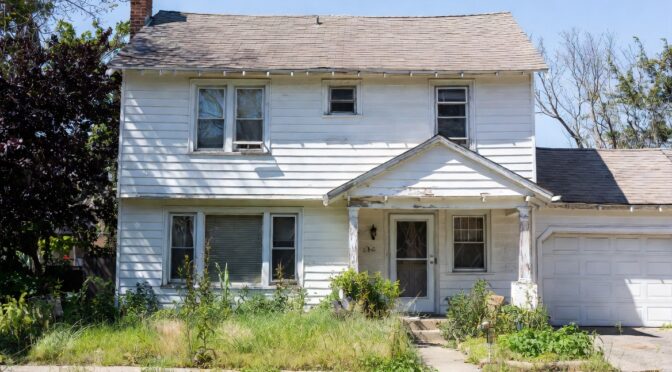
Fix and flip investors buy undervalued or distressed properties that need repairs or updates, with the goal of renovating them quickly (usually within 3–12 months) and selling for a profit. The strategy relies on purchasing below market value, adding value through renovations, and reselling at or near the after-repair value (ARV).

Key Characteristics of Properties Fix-and-Flip Investors Target

These properties typically share several traits that make them suitable for short-term flipping:

  • Distressed or in disrepair — Often “as-is” sales with deferred maintenance, cosmetic issues, or more serious problems. Examples include foreclosures, bank-owned (REO) properties, short sales, or homes from motivated sellers (e.g., due to divorce, inheritance, financial hardship, or job relocation).
  • Below-market purchase price — Bought at a discount (commonly aiming for 60–70% of ARV minus repair costs, though this varies by market and risk tolerance) to leave room for renovation expenses, holding costs, and profit.
  • “Good bones” but outdated or neglected — Structurally sound with major systems (foundation, roof, electrical, plumbing) mostly intact, allowing for cosmetic or moderate upgrades rather than full gut renovations. Ideal flips often need paint, flooring, kitchens, bathrooms, lighting, and curb appeal improvements.
  • Quick resale potential — Located in neighborhoods with strong buyer demand, good schools, low crime, and access to amenities. Properties that appeal to first-time buyers, young families, or downsizers tend to sell faster.

Most Common Property Types for Fix and Flip

  • Single-family homes (especially small to medium-sized ones) — The most popular choice, particularly for beginners. These are easier to renovate, finance, and sell to retail buyers. Entry-level or median-price homes in the neighborhood often perform best.
  • Small multifamily properties (duplexes, triplexes) — Attractive for experienced flippers. They can be sold to investors or “house hackers” (owner-occupants who rent out part of the property) and may offer higher profit margins due to rental income potential during or after the flip.
  • Outdated homes in desirable or up-and-coming locations — Solid structures in prime areas that simply look dated (old kitchens/baths, carpet, etc.). These often require lighter cosmetic work and command strong resale prices.
  • Condos or townhomes — Possible, but less common due to HOA fees, rules, and potential resale restrictions. They work best in high-demand urban or suburban markets.
  • Vacation or second homes (in certain markets) — Can be viable if they have strong seasonal appeal, though they carry more risk.

Less ideal for most flips: Large luxury homes (higher carrying costs and narrower buyer pool), properties needing extensive structural work (unless you’re highly experienced with deep pockets), or those in declining neighborhoods.

Types of Fixes Involved

Flips generally fall into categories based on the scope of work:

  • Cosmetic fixers — Livable but dated; focus on aesthetics (paint, floors, fixtures, minor kitchen/bath updates). Lower risk and faster turnaround.
  • Structural fixers — Require significant repairs to foundation, roof, systems, etc. Higher potential profit but much greater risk and cost.
  • Distressed properties — Often a mix; sold cheaply due to condition or seller circumstances (not always structural issues).

What Makes a Good Flip vs. a Bad One

Successful flips balance purchase price, repair costs, holding time (interest, taxes, insurance), and resale speed. Investors avoid over-renovating beyond what the local market supports or buying in oversaturated/declining areas.

Beginners are often advised to start with single-family cosmetic flips in stable or growing markets, using the “70% rule” (or a more conservative version) as a guideline: Purchase price + repairs should not exceed ~70% of ARV (after costs).

Fix-and-flip differs from buy-and-hold investing, where the focus is on long-term rental income and appreciation rather than quick resale. Flips are more active and market-timing sensitive.

Market conditions matter a lot—flipping tends to work better in areas with rising home values, steady demand, and reasonable inventory. In 2025–2026, certain Midwest and Northeast markets (e.g., parts of Ohio, Pennsylvania, Illinois) have shown strong flip activity due to affordability and demand.

If you’re considering this strategy as fix and flip hard money lenders, Rehab Lend LLC offers DSCR financing and quick processing of rehab hard money loans to investors.  In order to get the best deal, you need thorough due diligence (inspections, comps for ARV, contractor bids, and local market analysis. It is essential to avoid common pitfalls like underestimating costs or overpaying. Many investors use hard money or private financing tailored for short-term flips.

The 12 reasons to consider living in West Virginia

The 12 reasons to consider living in West Virginia

The 12 reasons to consider living in West Virginia

Natural Beauty

The 12 reasons to consider living in West Virginia, actually there are numerous reasons to live here, West Virginia is known for its stunning landscapes, including the Appalachian Mountains, lush forests, and beautiful rivers, making it a haven for nature lovers.

Outdoor Activities

The state offers a wealth of recreational opportunities such as hiking, rock climbing, white-water rafting, and skiing, with numerous state and national parks.

Low Cost of Living and The 12 reasons to consider living in West Virginia

West Virginia has a relatively low cost of living compared to many other states, particularly in terms of housing prices and everyday expenses.

Rich History and Culture

West Virginia has a rich cultural heritage, with deep roots in coal mining history, traditional music, and local festivals that celebrate its unique culture.

Friendly Communities

Many residents find West Virginia to have a strong sense of community and Southern hospitality, where neighbors look out for one another.

Outdoor Recreation

With abundant parks and forests, West Virginia is ideal for outdoor enthusiasts, offering trails for hiking, biking, and horseback riding.

Strong Education System

The state is home to respected higher education institutions, such as West Virginia University and Marshall University, providing quality education options.

Crisp, Four-Season Climate

West Virginia experiences four distinct seasons, with beautiful autumns, snowy winters, and pleasant summers, perfect for those who appreciate seasonal changes.

Craft Beer and Local Cuisine

The state has a growing craft beer scene and a rich culinary heritage that includes traditional Appalachian dishes, locally sourced ingredients, and farm-to-table options.

Affordable Healthcare

West Virginia ranks well in terms of healthcare affordability, offering access to various medical facilities and professionals.

Proximity to Urban Centers

While offering a rural lifestyle, many areas in West Virginia are conveniently located near major cities like Pittsburgh, PA, and Washington, D.C., for those who seek urban amenities.

Vibrant Arts Scene

The state boasts a lively arts and music scene, with many local galleries, theaters, and music festivals showcasing regional talent.

These factors contribute to West Virginia being an appealing place to live for many individuals and families.

Direct Hard Money Lenders Rehab Lend LLC

Rehab Lend LLC is your trusted partner for hard money lending in West Virginia and beyond. Specializing in fix and flip loans and Debt Service Coverage Ratio DSCR loans, we provide flexible financing solutions tailored to your unique investment needs.

As a nationwide direct hard money lender, we understand the intricacies of real estate financing and are committed to empowering investors with quick, reliable access to capital.

At Rehab Lend LLC, we turn your property ambitions into reality, making the lending process seamless and efficient, so you can focus on what you do best: transforming properties and maximizing returns.


Flipping houses in Michigan

Flipping houses in Michigan

Flipping houses in Michigan for Investors

Flipping houses in Michigan can be an exciting and potentially lucrative venture for real estate enthusiasts. Michigan, known for its diverse real estate market, offers a variety of opportunities for house flippers. However, like any investment, there are pros and cons to consider, along with market analysis, risks, financing options, and types of properties to focus on.

Pros of Flipping Houses in Michigan:

1. Affordable Housing: Michigan offers affordable housing markets compared to many other states, providing potential for good returns on investment.

2. Strong Rental Market: Michigan has a stable rental market, making it easier to sell flipped properties if the market is slow.

3. Variety of Properties: From urban areas like Detroit to charming suburbs and vacation spots, Michigan offers a range of properties to flip.

Cons of Flipping Houses in Michigan:

1. Seasonal Challenges: Michigan experiences harsh winters, which can affect renovation timelines and budgets.

2. Economic Dependence: Michigan’s real estate market can be influenced by the state’s economy, which has faced challenges in the past.

3. Competition: Depending on the area, you may face stiff competition from other house flippers.

Market Analysis:

Michigan’s real estate market is diverse, with some regions experiencing steady growth while others face economic challenges. Cities like Detroit, Grand Rapids, and Ann Arbor have seen increasing property values, making them attractive for house flipping.

Conducting thorough market research, analyzing historical data, and staying updated on current trends are crucial for success.

Risks:

Flipping houses in Michigan comes with inherent risks, such as:

1. Market Volatility: Economic shifts can impact property values and demand.

2. Overestimating Renovation Costs: Underestimating renovation expenses can eat into profits.

3. Regulatory Hurdles: Complying with local regulations and permits adds complexity to the flipping process.

Financing:

Financing options for flipping houses in Michigan include:

1. Traditional Mortgages: Securing a mortgage for purchasing a property.

2. Michigan Hard Money Loans: Short-term fix and flip loans with higher interest rates, ideal for quick flips.

3. Private Investors: Partnering with investors who provide capital in exchange for a share of profits.

Types of Properties to Focus On:

1. Single-Family Homes: Ideal for beginners due to lower costs and simpler renovations.

2. Multi-Unit Buildings: Offers potential for higher returns but require more management.

3. Vacation Properties: Properties in popular vacation areas like Traverse City can attract buyers seeking second homes.

Before diving into house flipping in Michigan, it’s crucial to assess your financial readiness, research local market conditions, and develop a solid business plan.

With the right strategy and due diligence, flipping houses in Michigan can be a rewarding venture