New Florida Real Estate Development
New Florida Real Estate Development in 2026: What’s Being Built and Why It Matters
New Florida Real Estate Development has never really stopped building — but 2026 feels different. After a couple of years where rising interest rates and construction costs slowed many projects. The pipeline is wide open again.
Miami Tampa Orlando
Cranes are back on skylines from Miami to Orlando to Tampa. The projects breaking ground today aren’t just residential towers, they’re reshaping entire neighborhoods.
If you’re a buyer, investor, or just someone trying to understand where Florida is headed. Here’s what you need to know about the state’s biggest development wave in years.
Miami and Brickell: The Urban Core Is on Fire
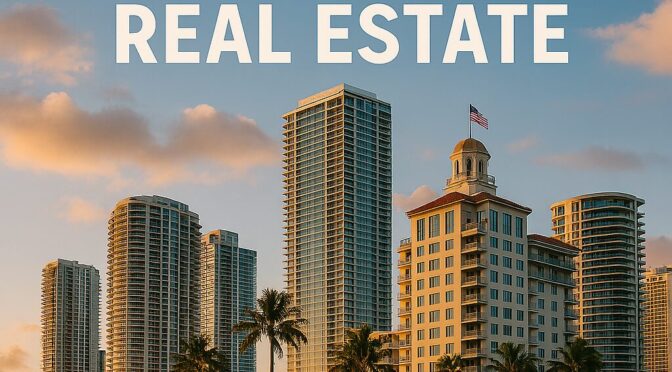
If there’s one area driving Florida’s development story right now, it’s Miami’s urban core. New Florida Real Estate Development is growing, particularly Brickell and Downtown. The numbers here are hard to ignore.
One of the most talked-about moves of late 2025 was Oak Row Equities closing a $520 million deal on 4.25 acres along Brickell Bay Drive.
Florida Luxury Real Estate
This is right near the site of Citadel’s future headquarters. When they are built, it will become the tallest office building in South Florida.
That’s not just a real estate story. That’s a signal about where Miami is heading as a financial and business hub.
Developers are betting that the people moving to Brickell aren’t just retirees and vacationers. Finance professionals, tech workers, and entrepreneurs want Class-A office space within walking distance of where they live.
The result is a surge of mixed-use towers combining luxury condos, retail, and commercial space all under one roof.
Miami Worldcenter, the massive $6 billion, 27-acre mixed-use megaproject in Downtown Miami. It continues to deliver new phases in 2026 and remains one of the largest urban development projects in the entire United States.
And just filed in February 2026, a new two-tower condominium project in North Bay Village. Each tower reaching 43 stories. It is another sign that Miami-Dade’s appetite for vertical living shows no signs of slowing.
Orlando: More Than Theme Parks Now
Orlando has long carried the “tourism town” label, but the development story unfolding there in 2026 tells a different story.
Several long-stalled projects are finally getting off the ground, and the city’s growth is starting to look a lot more like a real, diversified economy than a one-trick hospitality hub.
Among the most closely watched is Westcourt, a major mixed-use development near the Kia Center and the Orlando Magic arena. City leaders confirm it is moving forward after years of planning.
Meanwhile, demolition has already begun on the former Orlando Sentinel site — a roughly 20-acre parcel in the heart of downtown — clearing the way for a transformative redevelopment project.
Transportation is fueling growth beyond the city center too. The Brightline rail corridor connecting Miami and Orlando continues to drive station-area development in cities like Aventura and Boca Raton.
And improved road infrastructure linking Orlando to Tampa is making once-overlooked areas like Clermont and the Wellness Way corridor increasingly attractive for residential and commercial development alike.
Tampa Bay: Waterfront Projects and a $2.3 Billion Stadium
Tampa Bay is having a moment of its own. The region has no shortage of high-profile projects on the 2026 watch list.
The proposed Tampa Bay Rays stadium at Hillsborough College — a development that could cost upward of $2.3 billion could reshape the surrounding area for decades.
Beyond sports, the Jacksonville Shipyards redevelopment continues to draw attention as a public-private partnership with major long-term potential for mixed-use and waterfront living.
St. Petersburg is also seeing renewed activity, with stalled affordable housing projects being revived and new commercial development coming to key corridors like the Deuces.
The Tampa Bay area’s combination of relative affordability, waterfront appeal, and a growing job base continues to attract developers who find South Florida’s land prices nearly impossible to pencil in.
Luxury Is Leading, But Workforce Housing Is Catching Up
One honest truth about Florida’s 2026 development boom: most of the headline projects are luxury or high-end.
In Miami’s urban core, new product is essentially impossible to deliver for under $1,000 per square foot. This means studios in new Brickell towers are starting at half a million dollars or more.
But there’s a counterbalancing trend gaining momentum. Florida’s Live Local Act has been encouraging developers to include workforce housing components in new mixed-use projects.
These projects are finally moving from concept to construction in 2026.
It won’t solve the affordability crisis overnight, but it’s a meaningful shift in a market that has badly needed.
Florida Real Estate Buyers and Investors
Florida’s development boom in 2026 is real, broad, and accelerating. Whether you’re eyeing a pre-construction condo in Brickell, or getting a smaller fix and flip loan.
Or investing in a value-add opportunity in Tampa Bay, the pipeline of new inventory coming to market over the next two to three years is significant.
DSCR Loan Lenders in Florida Rehab Lend LLC
As Florida DSCR loan lenders RehabLend LLC track Florida’s real estate market so you don’t have to. Whether you’re financing a new development project or looking for Florida fix and flip hard money lenders, we’re here to help you move with confidence.