Tag Archives: best dscr lenders

Alabama Real Estate Investment Opportunities 2026

Alabama Real Estate Investment Opportunities 2026

The Alabama Advantage: Leveraging New 2026 Tax Laws and Tech Growth for Real Estate Wealth

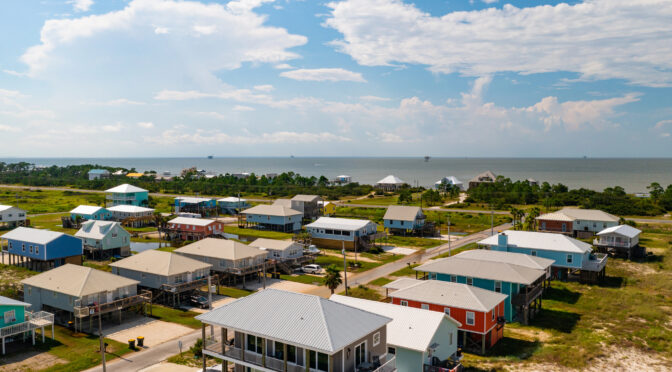
Alabama real estate investment opportunities 2026 are making the state one of the smartest places to put your investment dollars right now. While coastal markets grab headlines, savvy investors are turning their attention inland. And the numbers are hard to ignore.

Alabama is quietly becoming one of the smartest places to put your investment dollars right now. While coastal markets grab headlines, savvy investors are turning their attention inland. The numbers are simply hard to ignore.

For years, real estate investors chased the same tired markets: Atlanta, Austin, Tampa. Those cities got expensive fast and the margins got thin. Alabama offers something refreshingly different, with low entry costs, strong job growth, and brand-new tax protections that make long-term holds far more predictable.

Understanding the 7% Tax Assessment Cap

One of the biggest risks in fast-appreciating markets is runaway property taxes. Alabama just solved that problem with House Bill 73, which caps annual assessed value increases at 7% following a reappraisal. This single change is a major win for investors holding rental properties through a growth cycle.

Think about what that means in practice. Your property value climbs steadily, but your tax bill cannot spike overnight. That stability makes cash flow projections far more reliable, which is exactly what lenders and investors need in a normalizing market.

New Exemptions Making Long-Term Holds Even Stronger

Beyond the cap, Alabama lawmakers pushed through expanded exemptions heading into 2026. Unremarried surviving spouses now qualify for additional relief, and counties like Mobile and Covington have introduced senior freeze programs. These changes signal a broader legislative intent to keep holding costs manageable.

Alabama already operates at a 10% assessment rate for owner-occupied residential property. Combined with some of the lowest millage rates in the country, the overall tax burden for landlords here remains genuinely low. That baseline alone separates Alabama from nearly every other growing Sun Belt state.

Huntsville Is Not Slowing Down

If you have not been watching Huntsville, you have been missing the story. The city is widely expected to be Alabama’s top real estate market in 2026, fueled by high-paying aerospace and defense jobs. NASA, Boeing, and a growing cluster of defense contractors have planted deep roots at Redstone Arsenal.

These are not seasonal or gig-economy jobs. These are six-figure, career-track positions that attract professionals who need quality housing. High-income renters with stable employment are exactly the tenant profile that serious investors want in their portfolio.

Why Rental Demand in North Alabama Keeps Growing

Job growth alone does not create a housing crisis, but job growth without enough homes certainly does. Huntsville has not built fast enough to keep pace with its own economic success. That gap between supply and demand is pushing rents higher and keeping vacancy rates low.

Investors who move into the Huntsville market now are positioning ahead of a supply catch-up that could take years. Meanwhile, rental income stays strong and tenant turnover stays low. That combination is rare and it is exactly what makes this market worth a serious look.

Birmingham Offers Value That Is Hard to Beat

Not every investor is chasing the high-growth aerospace story. Some want steady, affordable entry points with dependable cash flow, and Birmingham delivers that. Entry-level investment properties frequently come in under $200,000, which is almost unheard of in comparable metros.

Cash flow returns in the 10 to 12 percent range are genuinely achievable in Birmingham’s single-family rental market. That is not marketing language, it reflects real operating numbers in neighborhoods with solid rental demand. For investors building a portfolio from the ground up, Birmingham is one of the most practical starting points in the Southeast right now.

Central Alabama’s Class B Sweet Spot

One of the quieter stories in Alabama real estate is the stabilization happening in suburban Class B properties. Cap rates have largely settled in early 2026, meaning you can model your returns with reasonable confidence. The wild swings of the pandemic era have faded into something far more workable.

Turnkey investors especially appreciate this environment. You buy a stabilized asset, place a tenant, and collect predictable income without the drama of distressed flips or speculative development bets. For busy investors managing multiple doors, that kind of predictability has real value.

Montgomery and the Short-Term Rental Opportunity

Montgomery is emerging as a surprisingly strong short-term rental market. Properties there are averaging around $42,000 in annual revenue, which is a compelling number for a city with relatively modest acquisition costs. State government activity, business travel, and local events keep occupancy rates healthy year-round.

This is not the same story as Gulf Shores or Orange Beach, but it is a more accessible entry point. Coastal vacation rentals in Alabama’s beach towns carry higher purchase prices and more seasonal volatility. Montgomery gives investors a steadier short-term rental model without the premium price tag of beachfront property.

Gulf Shores and Orange Beach: Vacation Rental Staying Power

Alabama’s Gulf Coast has developed a loyal traveler base over the past decade. Gulf Shores and Orange Beach draw consistent vacation traffic from the Southeast, particularly from Georgia, Tennessee, and Mississippi. That regional feeder market keeps demand strong even when national travel trends shift.

Short-term rental investors in these coastal markets benefit from year-round bookings rather than a narrow summer window. Shoulder season demand has grown significantly as remote work gives travelers more scheduling flexibility. A well-managed beach property here can perform at a level that justifies the higher acquisition cost.

Migration Numbers Tell the Real Story

Alabama has posted inbound migration numbers that would make most states jealous. Over 57% of moves into Alabama were inbound as of late 2025, meaning more people are choosing to move there than leave. That six-year streak as a top destination is not an accident.

Affordability is the biggest driver but it is not the only one. Alabama’s job market has diversified significantly into manufacturing, healthcare, and technology. New residents need housing immediately, and that steady flow of arrivals keeps the tenant pool deep and landlord vacancy rates low.

What Migration Means for Your Portfolio

A growing population is the single best long-term foundation for real estate investment. When people keep arriving, rents hold up, resale values trend upward, and the market does not depend on a single employer to survive. Alabama checks all three boxes right now.

For investors thinking beyond the next flip, this migration story matters enormously. Every new household that settles in Huntsville, Birmingham, or Montgomery needs a place to live. That underlying demand is what makes the current moment in Alabama feel more durable than a typical investment trend.

The Market Has Normalized and That Is Good News

The Alabama housing market has shifted from pandemic-era volatility into a more balanced state. Inventory has expanded to around five to six months of supply in most markets, signaling a healthier equilibrium between buyers and sellers. That balance actually benefits serious investors.

In an overheated market, you overpay and compete against dozens of other buyers on every deal. In a normalized market, you negotiate, take your time, and structure deals that actually make sense. The current environment rewards preparation over panic, and disciplined investors are finding real opportunities as a result.

Build-to-Rent Is Filling the Inventory Gap

One trend worth watching closely is the surge in build-to-rent communities across Alabama. Developers are responding to the inventory shortage by building new communities designed specifically for renters. These projects are concentrated near employment hubs and tend to attract stable, longer-term tenants.

For investors with the capital to participate at the development level, build-to-rent offers strong yields and newer assets with lower maintenance costs. The rise of these communities also signals that institutional money sees the same rental demand story that individual investors are discovering. That level of confidence from big capital validates the entire thesis.

Putting It All Together

Alabama is not a secret anymore, but it is still early enough that patient, informed investors can find real value. The tax protections are new, the migration trends are accelerating, and the job growth is structural rather than speculative. The financing tools also exist to help you move with confidence.

The investors who will look back on 2026 as a turning point are the ones making calculated moves right now. Alabama offers the right combination of affordability, growth, and legislative stability to build lasting wealth. The advantage is real and the only question is whether you act on it.

Rehab Lend LLC: Your Alabama Lending Partner

At Rehab Lend LLC, we specialize in helping real estate investors move fast and close deals with confidence across Alabama. Our team offers Alabama DSCR loans designed for investors who want to qualify based on property income rather than personal earnings. We are among the most trusted Alabama hard money lenders, providing asset-based financing that cuts through the red tape of traditional lending. As experienced hard money rehab loan lenders, we fund renovation projects quickly so you never miss a time-sensitive opportunity. Our fix and flip loans give investors the short-term capital they need to acquire, renovate, and resell properties for maximum profit.

New Jersey Economy and Real Estate

New Jersey Economy and Real Estate

New Jersey Economy and Real Estate: Key Trends Shaping 2026

New Jersey real estate is going through one of its most active periods in recent memory. Economic forces, population shifts, and policy changes are all reshaping the market. Investors and homeowners across the state are watching these trends very closely in 2026. Here is a short introduction for New Jersey Economy and Real Estate.

Home Prices Are Holding Strong Across the State

New Jersey home prices have stayed remarkably resilient over the past year. Many experts expected prices to cool down as mortgage rates climbed. Instead, prices held firm and even continued rising in several counties.

Housing Inventory

The reason is simple. There are far more buyers than available homes. Until supply catches up with demand, prices are expected to stay elevated.

Northern New Jersey Is Attracting Big Corporate Attention

Major companies continue to expand their presence in northern New Jersey. The proximity to New York City makes towns like Newark, Jersey City, and Hoboken especially appealing. Businesses that cannot afford Manhattan office space are relocating just across the river.

Corporate Movement for New Jersey Economy and Real Estate

This corporate movement is creating more jobs in the region. More jobs attract more workers who need housing nearby. That pressure on housing supply is keeping rents and prices high.

The Industrial Real Estate Sector Is Booming in New Jersey Economy and Real Estate

Warehouses and distribution centers are in extremely high demand across New Jersey. The state’s location makes it a perfect hub for shipping and logistics companies. E-commerce growth has made industrial properties one of the hottest real estate sectors in the country.

Towns along major highways and near ports are seeing the most activity. Developers are racing to build new warehouse space to meet demand. Investors in industrial real estate are enjoying very low vacancy rates right now.

Population Shifts Are Changing the Housing Landscape

New Jersey’s population has been shifting in interesting ways. Younger families are moving out of expensive urban areas into suburban towns. Places like Somerset, Morris, and Hunterdon counties are welcoming a new wave of residents.

This suburban migration is driving up demand for single-family homes. School quality, green space, and commuter access are the top priorities for these buyers. Towns that offer all three are seeing the fastest price growth.

Redevelopment Zones Are Creating Fresh Investment Pockets in New Jersey Economy and Real Estate

Many older industrial and commercial areas in New Jersey are being transformed. Local governments are actively encouraging redevelopment to bring in new tax revenue. Formerly forgotten neighborhoods are getting new apartments, shops, and public spaces.

Cities like Paterson, Trenton, and Camden are at different stages of this transformation. Investors who enter these markets early tend to see the strongest long-term returns. Buying in a redevelopment zone before the area peaks is a proven strategy.

Interest Rates Are Still Shaping Buyer Behavior

Mortgage rates have been a major topic for buyers and investors throughout 2025 and into 2026. Higher rates pushed many would-be buyers to the sidelines over the past two years. That actually created more renters, which benefited landlords across the state.

As rates begin to ease slightly, buyer activity is picking back up. More buyers returning to the market could push prices even higher in the second half of 2026. Timing a purchase in this environment requires careful thought and planning.

New Jersey Remains One of the Most Valuable Real Estate Markets in the Country

Despite its high cost of living, New Jersey continues to attract investors and residents alike. The state offers strong schools, reliable infrastructure, and easy access to two of the largest cities in the world. These fundamentals are not going away anytime soon.

Long-term investors who stay patient and buy in the right locations tend to do very well here. The market rewards those who do their homework. New Jersey real estate remains one of the most dependable places to build lasting wealth.

Private Real Estate Loans in New Jersey

Direct Private Money Lenders Rehablend LLC serve real estate investors across the Garden State with fast and flexible funding solutions. They are trusted New Jersey DSCR Lenders who qualify borrowers based on property rental income rather than personal tax returns.

Rehablend LLC also specializes in New Jersey Hard Money Fix and Flip Loans for investors looking to renovate and resell properties for profit. Reach out to Rehablend LLC today and find the right loan for your next New Jersey investment.

New Florida Real Estate Development

New Florida Real Estate Development

New Florida Real Estate Development in 2026: What’s Being Built and Why It Matters

New Florida Real Estate Development has never really stopped building — but 2026 feels different. After a couple of years where rising interest rates and construction costs slowed many projects. The pipeline is wide open again.

Miami Tampa Orlando

Cranes are back on skylines from Miami to Orlando to Tampa. The projects breaking ground today aren’t just residential towers, they’re reshaping entire neighborhoods.

If you’re a buyer, investor, or just someone trying to understand where Florida is headed. Here’s what you need to know about the state’s biggest development wave in years.

Miami and Brickell: The Urban Core Is on Fire

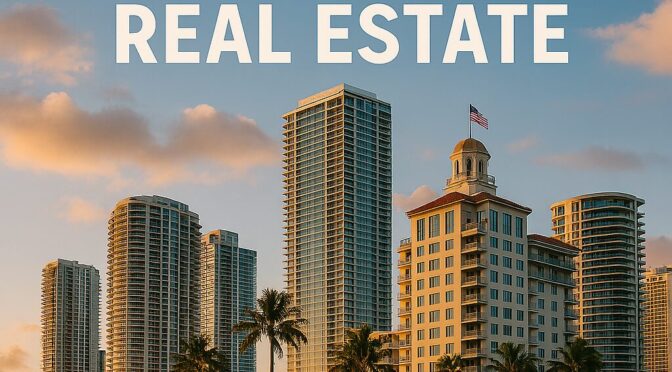
If there’s one area driving Florida’s development story right now, it’s Miami’s urban core. New Florida Real Estate Development is growing, particularly Brickell and Downtown. The numbers here are hard to ignore.

One of the most talked-about moves of late 2025 was Oak Row Equities closing a $520 million deal on 4.25 acres along Brickell Bay Drive.

Florida Luxury Real Estate

This is right near the site of Citadel’s future headquarters.  When they are built, it will become the tallest office building in South Florida.

That’s not just a real estate story. That’s a signal about where Miami is heading as a financial and business hub.

Developers are betting that the people moving to Brickell aren’t just retirees and vacationers. Finance professionals, tech workers, and entrepreneurs want Class-A office space within walking distance of where they live.

The result is a surge of mixed-use towers combining luxury condos, retail, and commercial space all under one roof.

Miami Worldcenter, the massive $6 billion, 27-acre mixed-use megaproject in Downtown Miami. It continues to deliver new phases in 2026 and remains one of the largest urban development projects in the entire United States.

And just filed in February 2026, a new two-tower condominium project in North Bay Village. Each tower reaching 43 stories. It is another sign that Miami-Dade’s appetite for vertical living shows no signs of slowing.

Orlando: More Than Theme Parks Now

Orlando has long carried the “tourism town” label, but the development story unfolding there in 2026 tells a different story.

Several long-stalled projects are finally getting off the ground, and the city’s growth is starting to look a lot more like a real, diversified economy than a one-trick hospitality hub.

Among the most closely watched is Westcourt, a major mixed-use development near the Kia Center and the Orlando Magic arena. City leaders confirm it is moving forward after years of planning.

Meanwhile, demolition has already begun on the former Orlando Sentinel site — a roughly 20-acre parcel in the heart of downtown — clearing the way for a transformative redevelopment project.

Transportation is fueling growth beyond the city center too. The Brightline rail corridor connecting Miami and Orlando continues to drive station-area development in cities like Aventura and Boca Raton.

And improved road infrastructure linking Orlando to Tampa is making once-overlooked areas like Clermont and the Wellness Way corridor increasingly attractive for residential and commercial development alike.

Tampa Bay: Waterfront Projects and a $2.3 Billion Stadium

Tampa Bay is having a moment of its own. The region has no shortage of high-profile projects on the 2026 watch list.

The proposed Tampa Bay Rays stadium at Hillsborough College — a development that could cost upward of $2.3 billion could reshape the surrounding area for decades.

Beyond sports, the Jacksonville Shipyards redevelopment continues to draw attention as a public-private partnership with major long-term potential for mixed-use and waterfront living.

St. Petersburg is also seeing renewed activity, with stalled affordable housing projects being revived and new commercial development coming to key corridors like the Deuces.

The Tampa Bay area’s combination of relative affordability, waterfront appeal, and a growing job base continues to attract developers who find South Florida’s land prices nearly impossible to pencil in.

Luxury Is Leading, But Workforce Housing Is Catching Up

One honest truth about Florida’s 2026 development boom: most of the headline projects are luxury or high-end.

In Miami’s urban core, new product is essentially impossible to deliver for under $1,000 per square foot. This means studios in new Brickell towers are starting at half a million dollars or more.

But there’s a counterbalancing trend gaining momentum. Florida’s Live Local Act has been encouraging developers to include workforce housing components in new mixed-use projects.

These projects are finally moving from concept to construction in 2026.

It won’t solve the affordability crisis overnight, but it’s a meaningful shift in a market that has badly needed.

Florida Real Estate Buyers and Investors

Florida’s development boom in 2026 is real, broad, and accelerating. Whether you’re eyeing a pre-construction condo in Brickell, or getting a smaller fix and flip loan.

Or investing in a value-add opportunity in Tampa Bay, the pipeline of new inventory coming to market over the next two to three years is significant.

DSCR Loan Lenders in Florida Rehab Lend LLC

As Florida DSCR loan lenders RehabLend LLC  track Florida’s real estate market so you don’t have to. Whether you’re financing a new development project or looking for Florida fix and flip hard money lenders, we’re here to help you move with confidence.

Missouri's economic landscape in 2024

Missouri’s economic landscape in 2024

Missouri’s economic landscape in 2024 for Investors

Missouri’s economic landscape in 2024 presents a robust platform for real estate investors, characterized by diverse growth sectors and relatively affordable property prices. Here’s a comprehensive overview focusing on crucial aspects relevant to investors.

Economic Growth

Missouri’s economy is bolstered by varied sectors: Manufacturing Key products include transportation equipment and food products. Healthcare: Significant presence of hospitals and research institutions. Agriculture: Major producer of soybeans, corn, and livestock. Technology: Emerging tech hubs in cities like St. Louis and Kansas City.

Real Estate Prices –

Affordability: Missouri generally offers lower-than-national-average property prices, making it accessible for new and seasoned investors. Market Trends: Real estate prices have shown steady appreciation, particularly in urban areas and tech corridors.

 Housing Market

Single-Family Homes: Demand remains high for affordable housing and family homes. Multi-Family Units: Growing rental market, especially in urban centers with younger populations and students. Luxury Properties: Niche market in upscale neighborhoods in cities like St. Louis and Kansas City.

 Jobs and Technology

Employment Growth: Steady job growth driven by healthcare, tech, and manufacturing. Tech Sector: Expansion of tech startups and established companies, with a focus on biotech, fintech, and agri-tech in St. Louis and Kansas City. Workforce: Highly educated workforce, especially in urban centers, thanks in part to strong higher education institutions.

Investment Opportunities

1. Residential Real Estate. Buy-to-Rent: Increased rental demand due to lower home ownership rates among younger demographics. – Fix and Flip Loans: Potential in older neighborhoods undergoing revitalization.

2. Commercial Real Estate. Office Spaces: Cities like St. Louis and Kansas City see demand from tech and healthcare sectors. Retail Spaces: Opportunities exist in both urban and suburban areas undergoing development.

3. Industrial Properties Warehouses and Distribution Centers: Growth due to e-commerce expansion and central geographic location.

4. Land and Development New Construction: Opportunities in both residential and commercial development in growing suburbs. Agricultural Land: Stable long-term investment with lower buy-in costs.

Education

Higher Education: Home to reputable institutions like Washington University in St. Louis and the University of Missouri. Quality Public Schools: Contributes to the desirability of certain residential areas, boosting local real estate markets.

Local Economy

Diverse Economy: Balanced across multiple sectors, reducing risk for investors. Infrastructure: Ongoing investments in transportation and infrastructure projects enhance connectivity and attractiveness of key regions. As Missouri hard money lenders we provide rehab and fix and flip lending Nationwide.

Quality of Life: Affordable cost of living and access to outdoor activities make Missouri appealing for residents and businesses alike.

Best Places to Invest

1. St. Louis – Tech and healthcare growth. – Affordable neighborhoods with potential for value appreciation. – Strong rental market near universities and business districts.

2. Kansas City – Rapidly growing tech sector and entrepreneurial activity. – Investment in downtown and midtown areas. – Diverse economic base with good prospects for commercial investments.

3. Columbia – Home to the University of Missouri, ensuring stable rental demand.  Growing healthcare sector. Affordable housing with opportunities for development projects.

4. Springfield – Steady growth in healthcare and education. – Affordable property markets with potential for rental income. – Family-friendly amenities and a high quality of life.

Conclusion

Missouri’s diverse economy and affordable real estate market offer substantial opportunities for investors. By focusing on areas with strong economic growth, technological advancements, and education hubs, investors can maximize their returns. For residential bridge loans and DSCR lenders near me call Rehab Lend LLC today.

As always, thorough market research and consultation with local experts are paramount to crafting a successful investment strategy.